

Do Arizona Black Bears Return, After Being Sprayed?
Does Bear Spray Really Work? What Happens After Arizona Bears Get Sprayed?
Retired veterans, picture this: You’re hiking through the rugged, beautiful terrain of the Arizona mountains, maybe the Santa Catalinas near Tucson or the Pinaleno Mountains. Suddenly, you encounter a black bear. Tensions are high, the bear charges and you react instinctively, deploying your bear spray. Pshhhhhh, A massive cloud of red pepper fog hits the bear. Instantly, the animal stops, turns around and scrambles away into the brush. You’re safe. But as your heart rate finally begins to slow down, a lingering question creeps into your mind. Is that massive black bear, going to come back?
If you’ve ever wondered what happens after a bear gets a face full of bear spray in Arizona, you aren’t alone. Let’s dive into what my investigation revealed, wildlife behavior, and realities of bear spray encounters in the Grand Canyon State. The short answer is, usually, no. To put your mind at ease right away: No, a bear that has been successfully sprayed with bear spray will rarely return. Wildlife biologists and game wardens note that bear spray is exceptionally effective at teaching bears a harsh, immediate lesson. The active ingredients, capsaicin and related capsaicinoids, cause intense, temporary pain. Bear spray also causes extreme burning of the eyes, along with temporary blindness.
To a bear, this is one of the most terrifying, disorienting experiences of its life. Because bears rely heavily on their sense of smell to navigate the world, having their nasal passages essentially shut down by pepper spray leaves them feeling profoundly vulnerable. Their immediate instinct isn’t revenge, it’s survival. They want to get as far away from the source of that pain as possible.
Why Arizona Black Bears are Different (A Little)
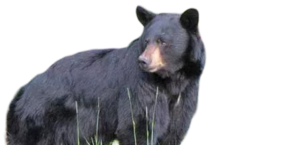
Arizona is home exclusively to the American black bear (no grizzlies live in the state). Black bears are generally smaller and more timid than grizzlies. When confronted, a black bear’s first line of defense is usually to climb a tree or run away. If a black bear is acting aggressively enough to warrant bear spray, such as defending a food source, a carcass, or cubs, it is likely stressed or habituated to humans. Even so, the impact of bear spray applies universally. The sheer trauma of the experience usually creates a strong aversion. Seniors, Veterans and any other old folks like me, should just stay prepared at all times.
Are There Exceptions? (When a Bear Might Return)
While the vast majority of bears hightail it out of there and stay away, wildlife behavior isn’t an exact science. There are rare scenarios where a bear might linger or return to the area. If the encounter happened because the bear was raiding a poorly secured cooler, an unsecured campsite trash can, or bird feeders, the drive for food is powerful. If the food source is still sitting there after the spray dissipates, a particularly food-habituated or starving bear might cautiously return later. This is why properly storing your food and garbage in bear country is just as important as carrying spray.
Lingering Scent and Curiosity: Bears are intensely curious animals. Once the intense burning subsides (usually within 30 to 45 minutes), a bear might return to the exact spot out of sheer curiosity to sniff around the strange new chemical it encountered, though it will still likely be wary.
Improper Application: If the spray didn’t make direct contact with the bear’s face (the wind blew it off course, or you sprayed too early and the cloud dissipated before the bear hit it), the bear might not get the full deterrent effect. In this case, the bear may not be deterred at all.
What Should You Do Immediately After Spraying a Bear?
If you find yourself in the rare position of having to spray an Arizona bear, your job isn’t done just because the bear ran off. Follow these crucial steps. Leave the Area Immediately. Do not stand around waiting to see if the bear comes back. Walk (do not run) away from the direction the bear fled, keeping your eyes open. Head back to your vehicle, a populated trailhead, or a secure building. Contact the Arizona Game and Fish Department (AZGFD) as soon as possible. Wildlife officials need to know if an aggressive bear encounter has occurred. This helps them monitor bear behavior in popular recreation areas and intervene if a specific bear poses a continuous threat to public safety.
Bear spray is widely considered by wildlife experts, including the U.S. Fish and Wildlife Service and the National Park Service, to be the most effective deterrent against aggressive bear encounters, surpassing even firearms in many scenarios because it creates a wide margin of error and doesn’t rely on pinpoint accuracy. When used correctly, bear spray delivers a severe, highly effective deterrent that convinces the bear that humans are dangerous, painful, and best avoided. So while you should always remain vigilant and practice good bear safety habits in Arizona’s backcountry, you can rest easy knowing that a sprayed bear is almost certainly running away from you, not plotting its return. Have you seen bears at camp? Let me know.