

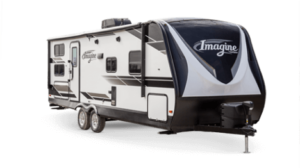

[Class A] & [Travel Trailer] Difference
The main difference between a Class-A RV and a Travel Trailer comes down to mobility. The Class-A is a motorhome (you drive it), while a travel trailer is a towable (you pull it behind another vehicle). Why do retired Veterans buy RVs? They both work well on any camping trip. That’s why seniors like me (70 year olds), love our outdoor life. Here’s a detailed breakdown of how they compare across key categories.
1. Driving and Towing:
Class-A RV: These are the massive, bus-like motorhomes. Everything is in one unit. You sit in a cockpit, look out a giant windshield and drive the whole living space. Because there is no towing required (unless you choose to tow a small car behind it), parking and backing up is generally easier once you get used to the large size.
Travel Trailer: These require a separate tow vehicle (like a pickup truck or large SUV). Driving involves managing the combined length of your truck and the trailer and mastering backing up a trailer takes practice. However, once you arrive at the campsite, you can unhook your truck, leaving you with a standard vehicle for running errands or exploring.
2. Cost and Value:
Class-A RV: Generally much more expensive to purchase, insure and maintain. Because they have a heavy duty motorized chassis (engine, transmission, drivetrain), maintenance costs are closer to semi-trucks or heavy commercial vehicles. They also tend to depreciate quickly.
Travel Trailer: Generally much more affordable upfront. Because they don’t have an engine or drivetrain, maintenance is significantly cheaper (mostly dealing with tires, brakes and roof seals). They also tend to hold their resale value slightly better than motorized RVs.
3. Living Space and Layout:
Class-A RV: Offers maximum luxury, space and storage. Because the cabin is integrated into the living area, you can easily access the bathroom, kitchen or your bed while someone else is driving (though seatbelt laws vary by state). They often feature high-end residential appliances, multiple TVs and washer/dryer units.
Travel Trailer: Ranges from tiny teardrop trailers to massive “destination” trailers with multiple slide-outs. While luxury options exist, space is generally more optimized for efficiency. You cannot legally or safely occupy the trailer while it is being towed down the highway.
4. Reliability and Mechanical Failure:
Class-A RV: If the engine breaks down, your entire home goes to the mechanic. You may need a hotel room while your RV is in the shop.
Travel Trailer: If your tow vehicle breaks down, only the truck goes to the mechanic. You can often keep living in your trailer at the campsite while your truck is being repaired or hitch it to another vehicle.
Which one is right for a retired Veteran?
Choose a Class-A RV if you want ultimate luxury, Slide-outs, prefer driving one single unit, plan to travel long distances frequently and don’t mind higher maintenance costs.
Choose a Travel Trailer if you’re on a budget, like slide-outs, already own a capable tow vehicle, prefer having a separate car to drive once you set up camp, and want lower maintenance costs.