
How Veterans Responded After 9/11
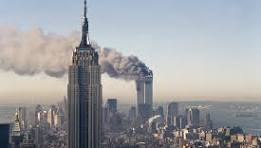
In the days, weeks, and months following the September 11th terrorist attack, there were massive attempts by veterans reenlist
1. The “Recall” of Inactive Ready Reserve (IRR) Troops
The most immediate and widespread way veterans returned to service was not necessarily through voluntary reenlistment, but through the activation of the Inactive Ready Reserve (IRR). Under U.S. military contracts, service members typically serve an 8-year obligation. A few years on active duty, followed by the remainder in the IRR. After 9/11, the Department of Defense exercised its authority to recall tens of thousands of IRR veterans, many of whom had been out of the military for years. Some veterans had started families, and established civilian careers. Other veterans returned back to active duty to deploy to Iraq and Afghanistan.
2. Voluntary Reenlistment and “Retread” Programs
Many veterans whose military service obligations had fully expired also voluntarily sought to get back into the fight. Prior Service Enlistments: All branches of the military saw spikes in prior service members walking into recruiting stations. Because the military’s standard enlistment age limits (usually under 35) barred many older retired veterans. The Department of Defense eventually raised age limits and offered waivers, allowing veterans in their late 30s and even early 40s to reenlist, particularly if they possessed critical skills like Arabic language proficiency, or explosive ordnance disposal (EOD). A significant number of former officers, particularly pilots and specialists who had left for the private sector, volunteered to return to active duty.
3. Motivations Behind the Return
Veterans who attempted to reenlist or who answered the IRR call, generally did so for a mix of reasons. Many felt a profound personal obligation to defend the country after a direct attack on U.S. soil. For veterans watching the news, seeing friends still on active duty deploy to combat zones created a strong sense of survivor’s guilt or a desire to “have the backs” of their former units. Like the rest of the American public, veterans were deeply moved by the events of 9/11 and wanted to contribute directly to the Global War on Terrorism.
Summary
The post-9/11 era saw a unique demographic of “older” retired recruits, veterans of the Gulf War, the 1990s peacekeeping missions (like the Balkans), or even the Cold War, standing alongside 18-year-olds in basic training. While some faced bureaucratic hurdles due to age, medical restrictions, or family obligations, tens of thousands of veterans successfully returned to uniform following the attacks. Thank you for your service veterans, again.