

Car Camping – In Your Automobile
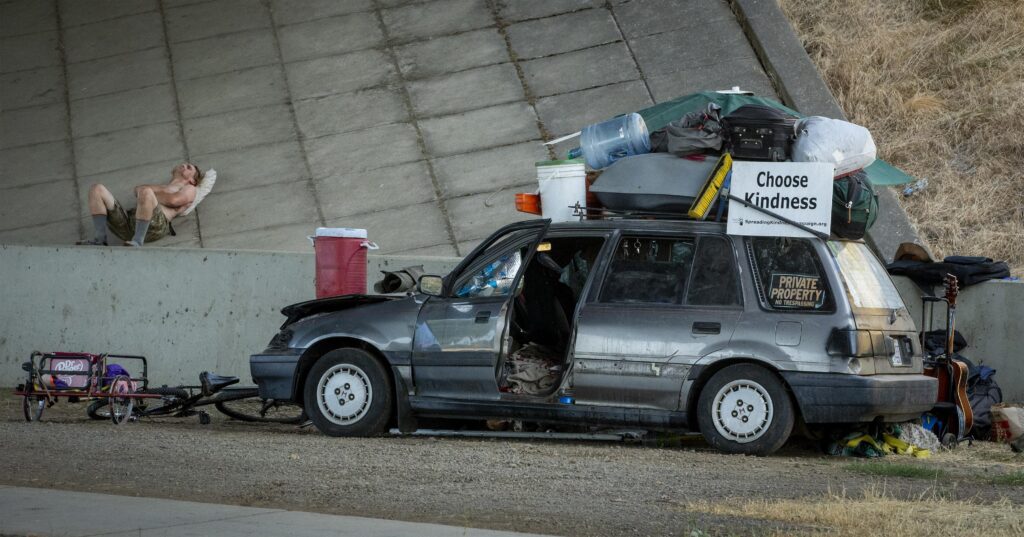
Living in a car - unique challenges - profound sense of freedom. Surviving and thriving.
Phase 1: Vehicle Selection & Setup
Your car is now your studio apartment. Space efficiency and stealth are your best friends.
Vehicle Types: Minivans/Cargo Vans: The gold standard. Plenty of headroom, flat floors, and easily disguised as work vehicles.
SUVs/Wagons: Great for stealth, all-wheel drive, and decent space with the rear seats removed or folded flat.
Sedans/Compact Cars: Extremely challenging due to space constraints, but entirely doable with strict minimalism.
The Build (The Interior):
,The Bed: Comfort is priority #1. A 3-to-4-inch memory foam mattress topper cut to fit your vehicle’s footprint works wonders. Avoid air mattresses, they leak and get very cold in the winter.
Storage: Use plastic storage bins that fit under your bed platform. Label them. Everything needs a designated “home,” or the car will feel chaotic instantly.
Insulation & Ventilation:
Condensation is your #1 enemy. Breathing creates moisture, which leads to mold and rusted interior electronics.
Phase 2: Power & Climate Control
You won’t have standard wall outlets, so you need to plan how to charge devices and stay comfortable.
Electricity:
Power Stations (Solar Generators): Brands like EcoFlow, Jackery, or Bluetti are game-changers. They allow you to charge phones, laptops, and run small fans safely without draining your car battery. USB Car Chargers are good for driving, but rely on a portable power station when parked to avoid killing your car battery.
Temperature:
Summer: Park in the shade, use window shades, get a USB-rechargeable camping fan, and consider sleeping in public parks or higher-elevation areas where it’s cooler.
Winter: Layering is key. A high-quality sleeping bag rated for low temperatures is better than running the car heater all night (which burns fuel and risks carbon monoxide poisoning). Never run a gas heater inside a sealed vehicle.
Phase 3: Hygiene, Health, and Daily Routine
Maintaining cleanliness and mental health is crucial when living in tight quarters.
Showers:
Join a nationwide gym chain (like Planet Fitness or Anytime Fitness). For $15–$25 a month, you get access to showers, restrooms, Wi-Fi, and a place to work out. Having (baby wipes or heavy-duty body wipes) are essential for “sink baths” on days you can’t reach a gym.
Restroom Access:
Buy a portable camping toilet. Also map out 24-hour gas stations, grocery stores, libraries, and rest stops.
Many car dwellers keep a portable emergency bucket with and trash bags for middle-of-the-night emergencies.
Cooking & Food:
Keep it simple. A small propane backpacking stove (a single-burner butane stove) works well for outdoor cooking.
A portable refrigerator that plugs into your power station will keep basics like milk, cheese, and vegetables fresh. Without a portable refrigerator, many car-dwellers shop daily to avoid refrigeration issues.
Phase 4: Legalities & Where to Sleep (“Stealth Camping”)
Where you park determines whether you get a peaceful night’s sleep or a knock on the window from local law enforcement. Condensation on windows also tips off everyone that your’re sleeping in the car. Keep windows cracked slightly. Use window covers made from black fabric and rigid insulation to provide privacy, temperature control, and complete blackout. Avoid sleeping in the front seat. Using your phone or laptop computer at night behind the curtains will tip off security. The light might as well be a flare.
Legal Parking Spots: Cracker Barrel, Walmart, and Cabela’s: Historically friendly to overnight parkers (though you should always check local signs and ask management when in doubt).
Rest Stops: Most states allow 4–8 hours of sleeping to combat drowsy driving.
BLM Land / National Forests: Free, legal dispersed camping where you can stay for up to 14 days in many areas (primarily in the western US).
Residential Streets: If you must park in neighborhoods, practice Stealth: arrive late, leave early, don’t leave trash outside, don’t set up camp chairs, and rotate locations so you don’t draw attention. The “Knock”: If police or security knock on your window, remain calm, polite, and cooperative. State that you were feeling too tired to drive safely, apologize, and ask where you can legally park for the remainder of the night. Always move immediately when asked.
Phase 5: The Mental Game
Living in a car can feel isolating, and society often stigmatizes unhoused or mobile lifestyles. Find online communities (Reddit’s r/vandwellers or r/urbancarliving) or YouTube channels of others living the lifestyle for tips and emotional support. De-cluttering: The less you own, the easier life is. If you haven’t touched an item in a month, donate it. Don’t stay cooped up in your car all day. Go to libraries, coffee shops, parks, and trails. Your car should be a bedroom, not a cage. Are you currently planning a car camping trip or considering the long-term lifestyle? Let me know.